
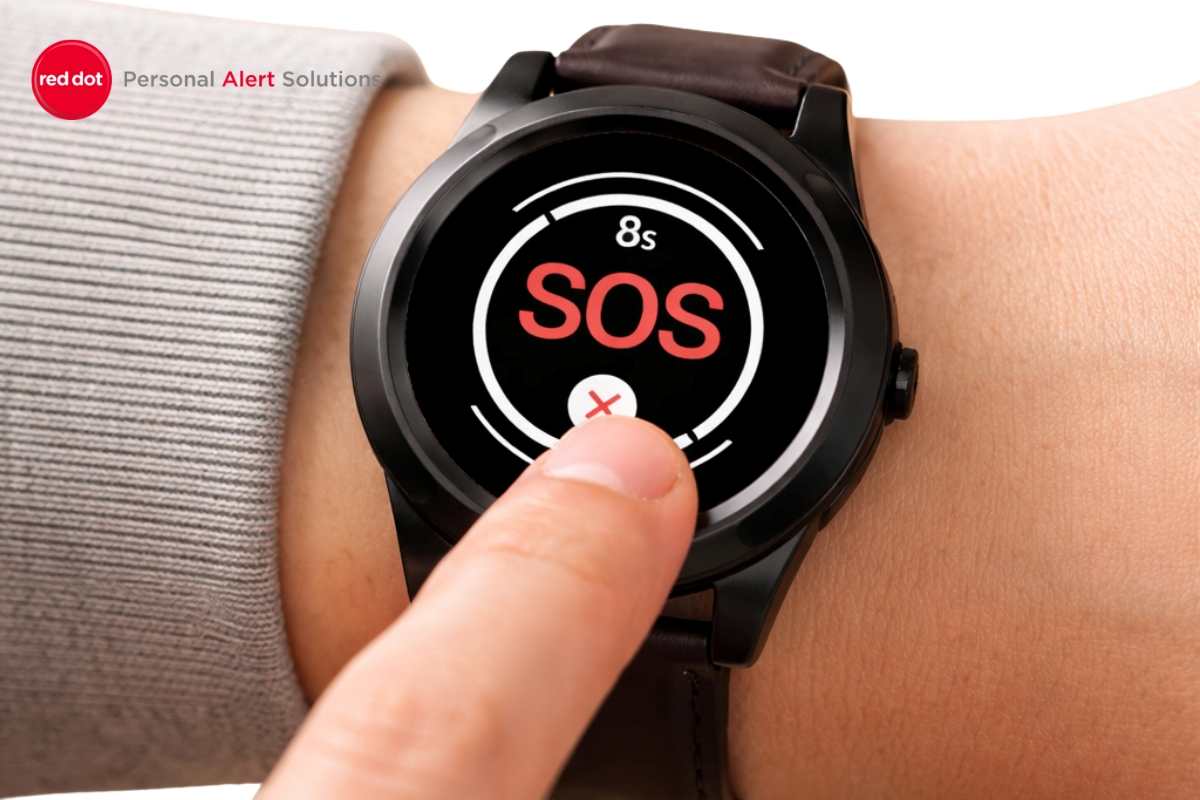
What Happens When You Press the Medical Alert Button? A Look at How Medical Alert Response Works
A medical alert system is designed to do one thing: connect you to help when you need it most. For many seniors and family members, the idea of a medical alert watch or emergency response device is reassuring. However, one question often comes up:
What actually happens when you press the button?
Understanding how a medical alert system works can help seniors feel more confident about wearing one and help families understand the value of having emergency support available 24 hours a day.
Here’s a step-by-step look at what happens from the moment a medical alert button is pressed to the moment help arrives.
Step 1: The Medical Alert Button Is Pressed (Or You Don’t)
The process begins the moment a senior presses the emergency button on a medical alert watch or personal emergency response device. Within seconds, the device initiates a connection to a 24/7 monitoring centre.
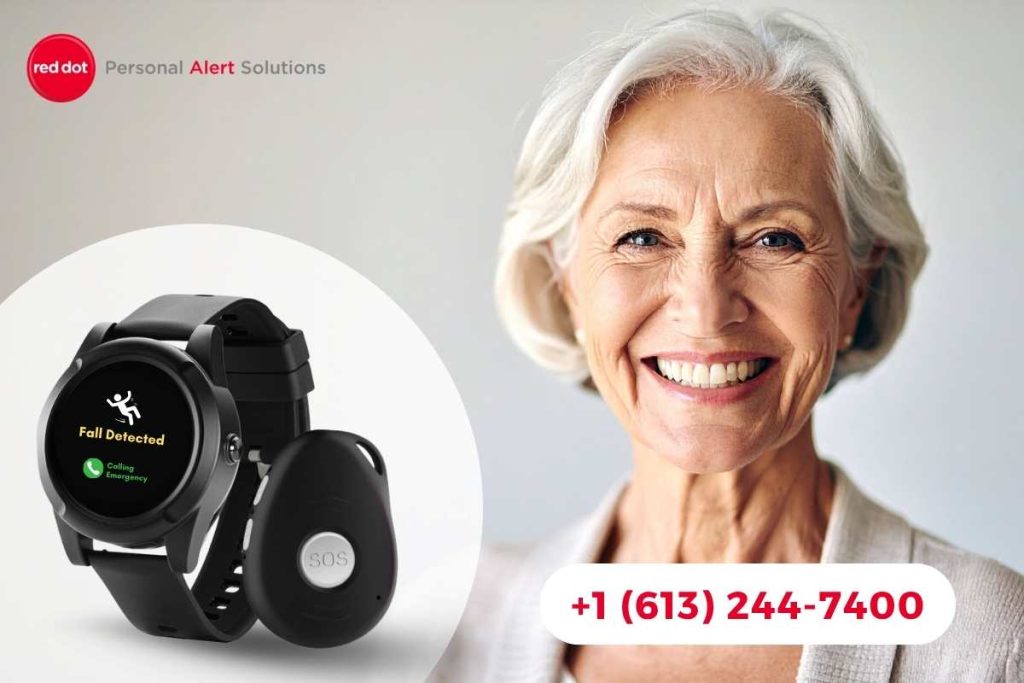
However, the Red Dot Alerts medical alert systems do not always require the user to press the button manually. Many devices now includeautomatic fall detection technology, which can recognize a serious fall and send an alert automatically. This feature is especially important if a senior is unconscious, injured, confused, or unable to reach the button after an accident.
For many older adults living alone, automatic fall detection provides an additional layer of protection and peace of mind.
Step 2: The Medical Alert Device Connects to a 24/7 Monitoring Centre
Once activated, the medical alert device immediately connects to a professional monitoring centre staffed by trained emergency response operators.
There is no need to:
- Search for a cellphone
- Unlock the device
- Dial a phone number
- Explain who you are
The connection is established automatically, allowing trained professionals to begin assessing the situation right away. This is one of the biggest advantages of a medical alert system compared to a cellphone. During a fall or medical emergency, a phone may be out of reach, out of battery, or difficult to operate. A medical alert watch keeps emergency assistance accessible with a single button press.
Step 3: A Trained Emergency Response Operator Speaks With You
After the connection is established, a trained operator communicates directly through the device’s built-in two-way speaker.
The operator will:
- Ask if you are okay
- Assess the situation
- Determine the type of assistance required
- Follow your personalized emergency response plan
In some situations, the issue may be minor. In others, immediate medical attention may be required. If the senior is unable to respond, the operator will proceed according to the information already on file and begin dispatching assistance without waiting for confirmation. This ensures that seniors receive help even when they are unable to communicate.
Step 4: Emergency Services or Family Members Are Contacted
Once the situation has been assessed, the monitoring centre coordinates the appropriate response.
Depending on the circumstances, this may include:
- Contacting emergency medical services
- Dispatching paramedics
- Notifying designated family members
- Contacting caregivers or neighbours
- Sharing important medical information with responders
Because personal information, emergency contacts, and response preferences are already stored in the system, valuable time is not wasted gathering details during an emergency. This streamlined process helps ensure faster emergency response when every minute matters.
Step 5: The Monitoring Centre Stays Connected Until Help Arrives
One of the most valuable features of a monitored medical alert system is the ongoing support provided during an emergency. The operator does not simply send help and disconnect.
Instead, the operator remains connected and continues communicating with the senior until emergency responders, caregivers, or family members arrive. For seniors experiencing a fall, medical emergency, or health scare, having a calm and reassuring voice on the line can provide significant comfort while waiting for assistance. More importantly, it confirms that help is on the way.
Why Medical Alert Systems Are About More Than the Device
When people think about medical alert systems, they often focus on the watch, pendant, or button itself. In reality, the device is only one part of the system.
The true value comes from:
- 24/7 professional monitoring
- Immediate emergency response
- Automatic fall detection
- Personalized emergency plans
- Fast access to help when it matters most
A medical alert watch is not designed to reduce independence. It is designed to support it. For seniors who want to continue aging in place, living independently, travelling, or remaining active in their communities, knowing help is available at any moment provides valuable confidence and security.
The Benefits of Medical Alert Systems for Seniors Living Alone
More Canadian seniors are choosing to age in place and remain in their own homes longer. While independent living offers many benefits, it also increases the importance of having a reliable emergency response solution.
Medical alert systems help seniors:
- Maintain independence
- Access help quickly during emergencies
- Reduce risks associated with falls
- Stay connected to emergency support 24/7
- Provide peace of mind for family members
For many families, knowing a loved one has access to immediate assistance can significantly reduce stress and worry.
Why This Matters More Than the Device Itself
It’s easy to think a medical alert is about the gadget. It isn’t. The watch is just the doorway. What actually matters is everything that happens after you press it, the speed, the trained people, the plan that’s already in place, and the fact that you’re never handling an emergency alone.
Independence isn’t about never needing help. It’s about knowing it’s there the moment you do. That’s what Red Dot Alerts is built around. A simple watch on your wrist, and a whole team ready behind it. Want to learn how Red Dot Alerts keeps you connected, wherever you are? Get in touch today at (613) 244-7400