

Why Many Seniors Don’t Ask for Help And Why It Can Increase Health Risks
As Canadians age, maintaining independence becomes a priority for many older adults. However, one of the most overlooked challenges in senior safety is behavioural.
Many seniors delay or avoid asking for help, even when they need it. While this may seem like a personal choice, it can significantly increase the risk of injury, delayed treatment, and long-term health complications. Understanding why this happens is the first step toward improving safety and support.
The Psychology Behind Not Asking for Help
1. Desire to Maintain Independence
Independence is closely tied to identity and self-worth. For many seniors, asking for help can feel like a loss of control or capability. This often leads to situations where individuals attempt tasks beyond their current physical limits.
2. Fear of Being a Burden
A common concern among older adults is not wanting to inconvenience family members or caregivers. Many seniors are aware of their families’ responsibilities and may avoid reaching out, even in situations where assistance is necessary.
3. Underestimating Risk
Some seniors may downplay symptoms such as dizziness, fatigue, or minor balance issues. These early warning signs are often dismissed as temporary, when in reality, they can indicate a higher risk of falls or medical events.
4. Hesitation in Emergencies
Even during urgent situations, hesitation can occur. Seniors may question whether the situation is “serious enough” to call for help, leading to critical delays in response.
Why Delayed Help Can Be Dangerous
In many cases, the issue is not the initial incident, but the time it takes to respond. Delays in receiving help can lead to:
- Increased severity of injuries from falls
- Complications from untreated medical symptoms
- Longer recovery times
- Greater likelihood of hospitalization
For seniors living alone, these risks are even more pronounced, as there may be no immediate support available.
Encouraging Safer Decision-Making
Promoting safety does not mean reducing independence. Instead, it involves creating systems that allow seniors to access help quickly and confidently when needed. The goal is to reduce hesitation and make help easily accessible. Practical steps include:
- Encouraging open conversations about safety and support
- Recognizing early warning signs and taking them seriously
- Creating a plan for emergencies
- Ensuring access to immediate assistance without barriers
The Role of Medical Alert Systems
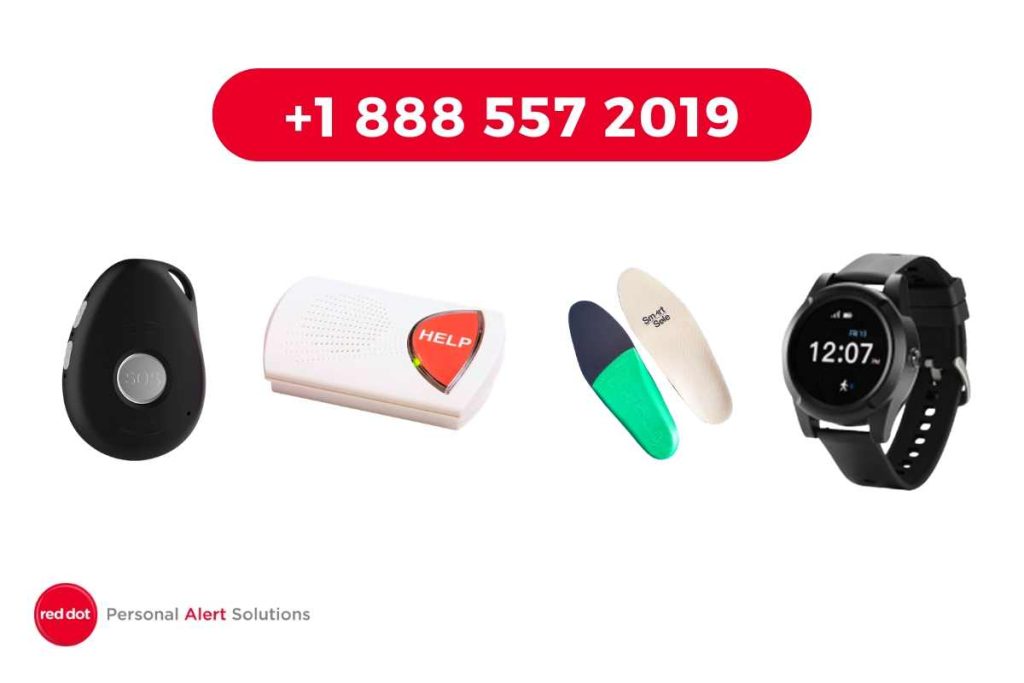
Medical alert systems are designed to address this exact challenge. By providing a simple and immediate way to connect with trained responders, they remove many of the barriers associated with asking for help. With a wearable alert device:
- Assistance is available 24/7
- Help can be accessed with the press of a button
- No phone or complex setup is required
- Support is available both at home and on the go
Avoiding or delaying help is a common behaviour among seniors, but it can lead to serious consequences if not addressed. By understanding the reasons behind this hesitation and implementing practical safety measures, families can better support older adults in maintaining both independence and well-being.
Reliable access to immediate assistance plays a key role in reducing risk and improving outcomes. To learn more about how Red Dot Alerts supports senior safety and independence, visit reddotalerts.ca or speak with our team today.